
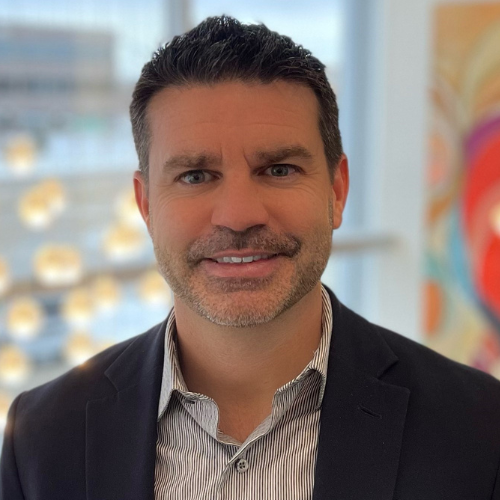
By Jeremy Shepherd, President, R&R Realty Group Development Services Corporation
After spending most of my career in commercial development and engineering, I’ve learned that most successful projects come down to one thing: understanding best how people will interact and use the space. Trends shift, materials change, and technology evolves, but the fundamentals don’t change. Failing to start with people ends up with a development or building that may look good on paper, but falls short in real life.
One of the biggest advantages in our field is engaging the right disciplines through early collaboration. Architects, engineers, interior designers, and construction teams all see a project differently. When those conversations happen up front, you avoid redesigning, increase efficiency, and the result is a product that functions the way customers need. It’s a practical approach.
Office workplace needs have changed and developers are adjusting to them. Today, companies demand environments that support different types of work—heads-down, collaboration, stepping away for a break, or even recharging outdoors. Features we are working on include patios with shade sails and outdoor work/game areas, solutions to bring in more natural light, flexible seating to accommodate hybrid work, and small wellness areas focused on mindfulness. This is the way we keep buildings relevant.
Reinvestment into an existing asset is as important as new construction in today’s environment of higher interest rates and high construction costs. Older buildings with good internals that are well-maintained are ripe for reinvestment. The success of our Arcadia Building redevelopment in West Des Moines has led us to additional endeavors – including our Crescent Building in Urbandale as a prime example. Our internal and external teams worked together as we re-developed the building from being single-tenanted to multi-tenanted. We envisioned a space where customers would work, meet, and socialize and developed spaces for each. There was an existing outdoor space that wasn’t activated—just a leftover area from the original site layout with older furnishings. This area was completely redone to include updated seating and shade areas, year-round artificial grass turf, a firepit, and an outdoor grill/cooking area. The goal isn’t to make the space flashy; it’s better to be functional, comfortable, and aesthetically welcoming.
Reinvestment is more than upkeep—it’s about creating a new space that lasts. Not only does this benefit us as a developer and long-term owner, but also for the community collectively as well. Cities should be proactive in encouraging and incentivizing property owners to take calculated risks and reinvest capital into aging assets. City leaders who truly want to build partnerships rooted in mutually beneficial redevelopment projects will come to the table with solutions that allow developers to make tenant deals work financially, and in the case of speculative projects to be rewarded for their risk-taking. By leveraging incentives like developer tax rebates and building revitalization grants, these solutions create improved spaces that benefit not just businesses, but the greater community. It’s a collaborative approach that lays the foundation for long-term value—for both developers and the city.
The market will continue changing, so will office workplace needs. But the basic principle remains the same: development is about people. Buildings and spaces succeed when they support the people who work, visit, and rely on them. That’s what guides us and keeps the focus on long-term value.